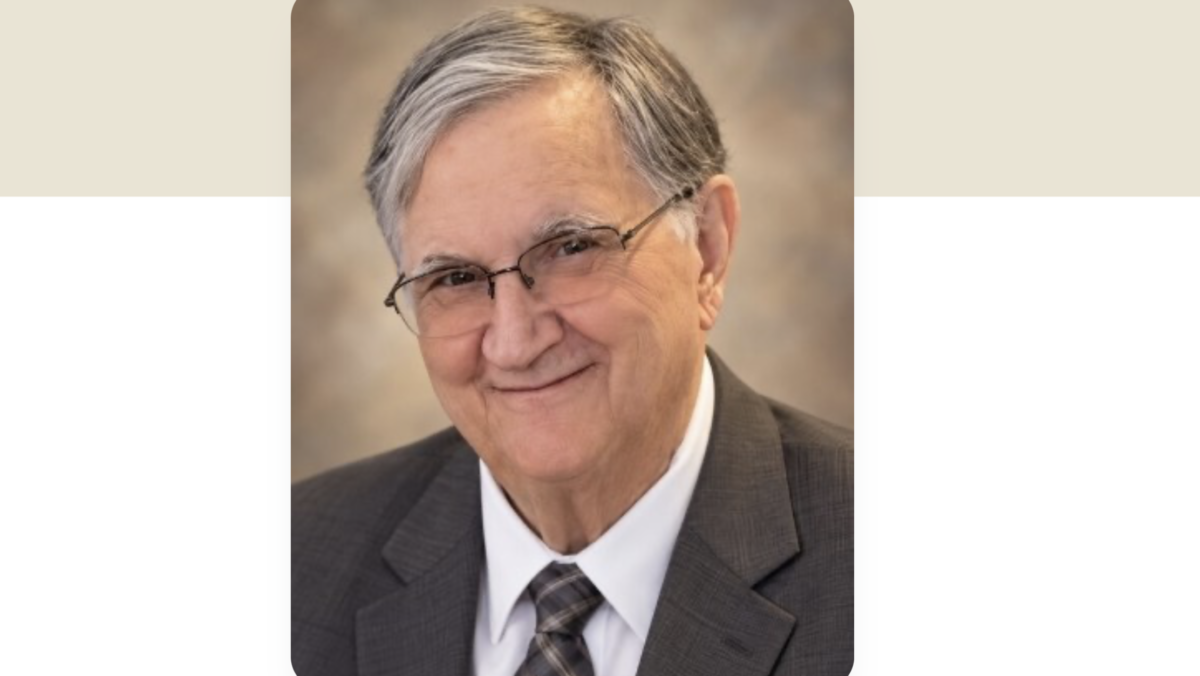
We lost an important figure in the firearms community last month, with the death of Evan Marshall. While I only got to meet him in person a single time, I considered him a friend, and feel that his passing deserves a moment of reflection.
Evan the Cop
Evan started with the Detroit Police Department in 1969, at the height of domestic civil unrest and criminal activity. In 1969, the counter-culture’s social revolution blended into the burgeoning anti-war movement, and a concerted effort by radical leftists to inspire a communist revolution in the streets of America. Illegal drug use and crime were skyrocketing at the same time political violence and terrorism were spiking. Detroit’s cops were busy fighting a crime war and a political insurgency at the same time, and were frequently the targets of bombings, physical assaults, shootings, stabbings and planned ambushes. Police officer injuries and deaths across America were climbing to levels that had never been seen before, and would continue to climb until they reached their historical apex in the mid-1970s.
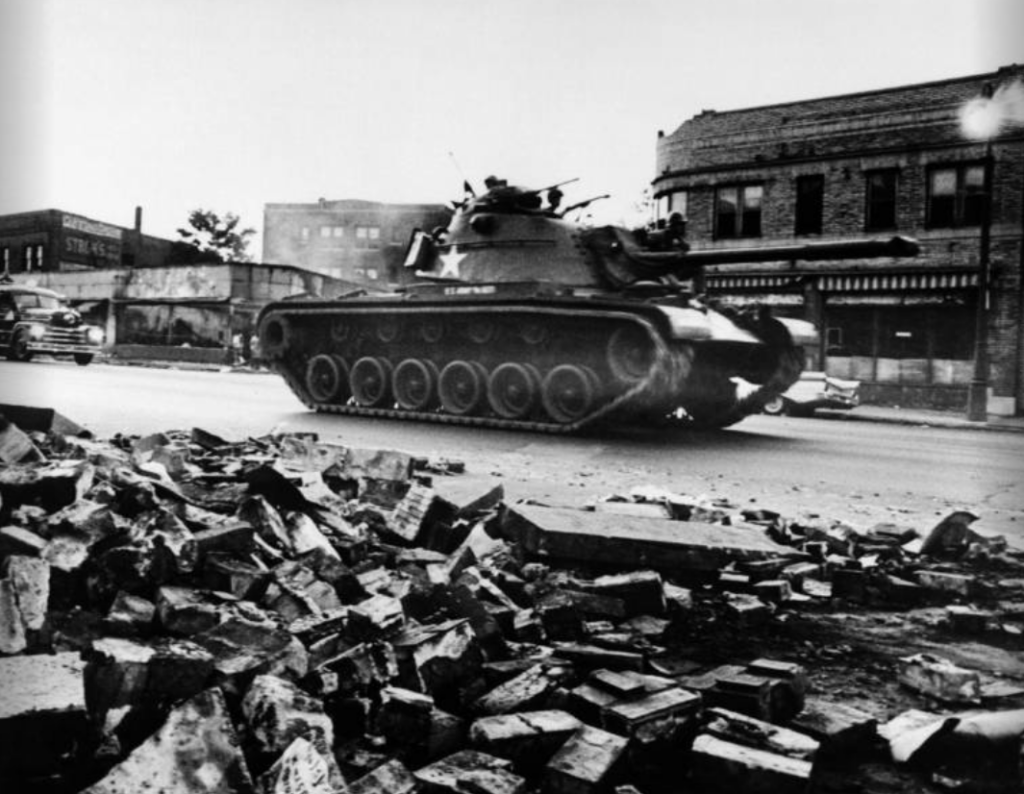
Those numbers were especially bad in a place like Detroit. The Detroit that Evan policed was a very dangerous and active city—a city wrestling with racial discord, significant violent crime, terrorist activity, out-of-control drug use, a failing economy, and urban decay. The city had been ravaged by major riots in 1967 and 1968 (which were only quelled after the military was called in), and tensions between the public and the police were high.
Evan was in the thick of it, as a patrolman in the city’s 13th precinct. As the years progressed, Evan worked assignments in the Tactical Unit (the “felony car” squad, doing crime suppression), as a training sergeant, with the city’s new SWAT (Special Response—SRT) team, and as a homicide detective.
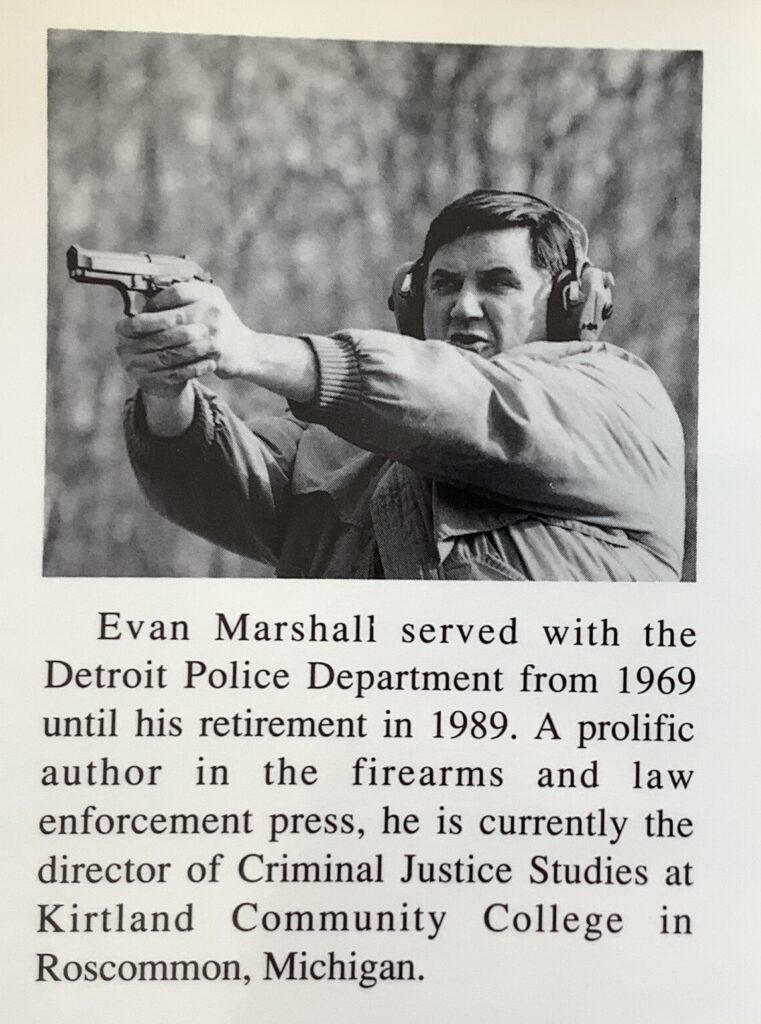
Upon his retirement, after 20 years with the Detroit PD, Evan took a job as the Director of Criminal Justice Studies at Kirtland Community College, in Roscommon, Michigan. He later took jobs as an advisor to domestic firearms and ammunition companies, police and military units, and the U.S. Department of Energy, amongst others.
Evan the Gun Writer
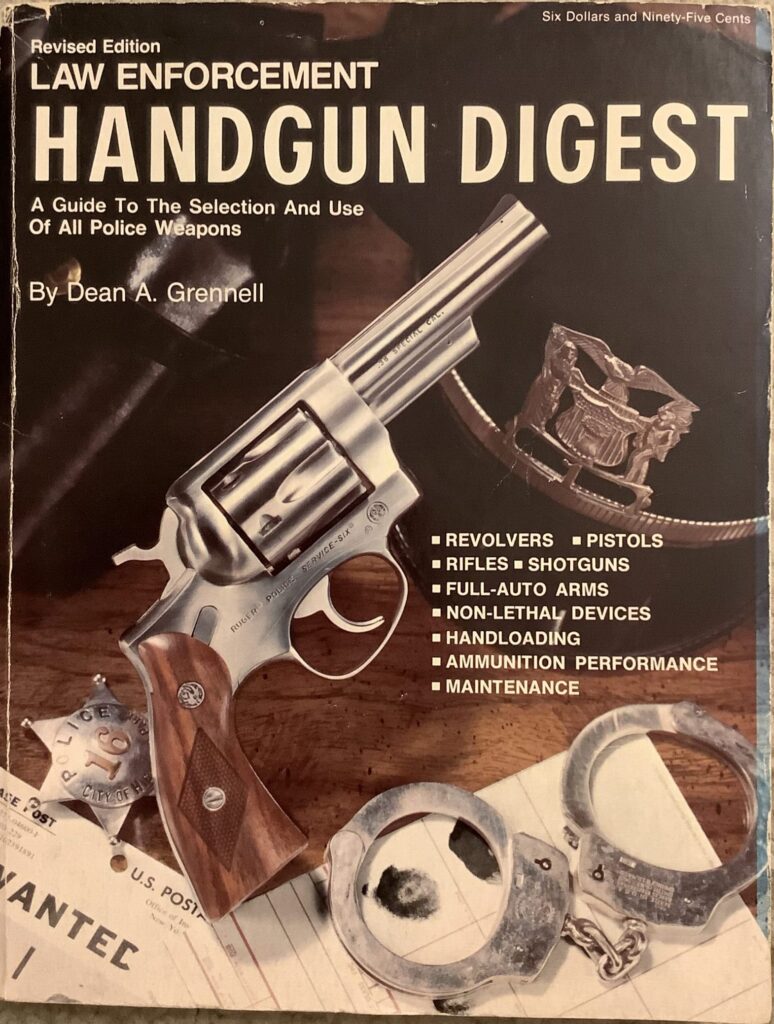
My first introduction to Evan came via the written page. I discovered his byline in the late 1970s, but he’d already been writing for a number of years before I stumbled onto him. The earliest example I have of Evan’s writing dates to the 1976 version of the Law Enforcement Handgun Digest, published by Digest Books Incorporated. Evan was a consulting editor to the Digest, and wrote extensively about ammunition and ballistics therein.
Evan was a prolific writer through the 70s, 80s and 90s, and his work appeared in a number of magazines, to include SWAT Magazine, Combat Handguns, the NRA’s American Rifleman, and many, many others. He wrote on a variety of topics, but was probably best known for his focus on external and terminal ballistics. I appreciated his work in those areas, but found his articles on “officer survival” topics to be even more valuable.
Evan the Author
In 1992, Evan co-authored the book, Handgun Stopping Power: The Definitive Study, with Edwin J. Sanow. This effort would change the course of his writing career, and he’d get pigeonholed as a “bullet guy” for the rest of his years.
Handgun Stopping Power was an extremely influential book from the very start. It represented Evan’s best effort to put his arms around the issue of terminal ballistics, and provide useful guidance to the Good Guys who had to choose ammunition for service and self-defense.
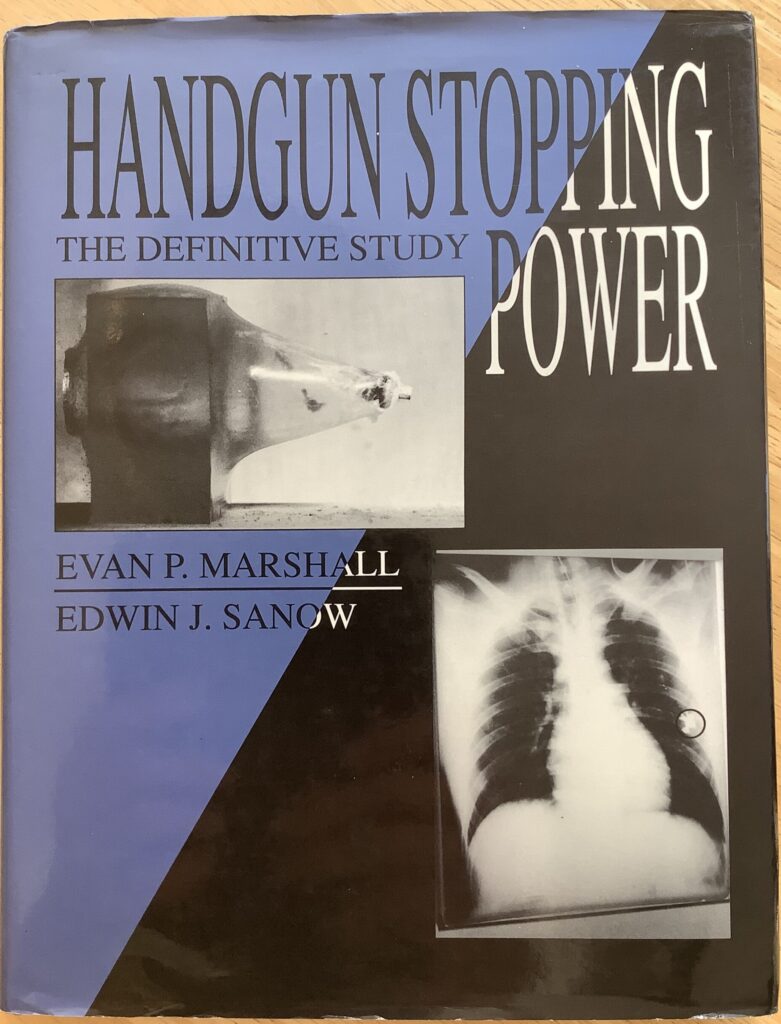
Sadly, the excellent historical summary of terminal ballistics research in Handgun Stopping Power was mostly overlooked, as were the editorial discussions about “stopping power,” short barrel ballistics, non-hollowpoint bullet performance, and a myriad of other ammunition topics. Instead, the section of the book that garnered the lion’s share of the attention was his summary of “Street Results” from the most common defensive handgun calibers.
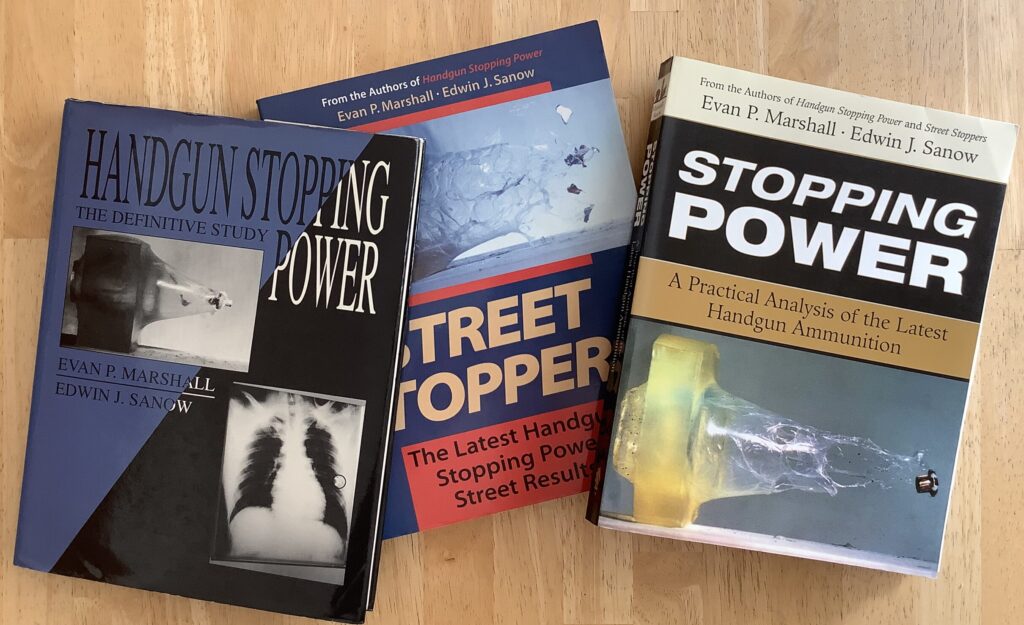
The “Street Results” provided information on the performance of specific handgun loads, by caliber, in shootings that met Evan’s criteria for inclusion in the study. 1 The results ignited a firestorm of discussion and argument within the law enforcement and firearms communities that still smolders today, and led to the publication of two additional books from Marshall and Sanow on terminal ballistics in the years to come—1996’s Street Stoppers, and 2001’s Stopping Power.
Divided Camps
At times, Evan was a polarizing figure in the ballistics research community.
Some of that was his own doing, as he could be confrontational and critical, and was always unflinching in his opinion. The cop who grew up on the mean streets of Detroit, and learned not to take any crap from anybody as a matter of survival, didn’t drink his tea with his pinky extended in social and professional settings. Evan was a “call it as you see it” kinda guy, and didn’t always filter his comments, or soften his words, to avoid bruising egos.
In example, when he was invited to participate in the FBI’s September 1987 Wound Ballistics Workshop, as part of a very small crowd of recognized experts in the field, he managed to anger the hosts and many of the participants with his frank observations, inputs, and evaluations of their ideas and work. When he thought they were wrong, he told them so, and he wasn’t particularly gentle or diplomatic about it.2 I don’t think he was invited back to the follow-on workshops.
On the other side, some of the figures in the firearms community who had professional differences with Evan were unable to express them without getting personal. When they let their criticism of his ideas stray into attacks on the man himself, Evan defended himself in a predictable manner that fed and encouraged the cycle. Before long, the issue was no longer the issue.
Too, many of Evan’s professional critics misattributed beliefs and positions to him that he didn’t hold. They often ignored the details of the methodology he used to filter the data he collected, and determine what would be included or excluded from the study. They ignored the context of the “Street Results” that he published, put words in his mouth to discredit his work, and often made reckless and unsubstantiated claims that his work was fraudulent.3
What the Man Really Said, Was . . .
It’s both interesting and sad to me that Evan was routinely criticized for promoting the idea that a single bullet could be counted on to stop a violent threat, and we could predict the likelihood that it would happen; similarly, that certain bullets or calibers were nearly guaranteed to deliver the desired results (like the “king of the stoppers,” the 125 grain .357 Magnum JHP).4
I will admit, with great shame, that as a young man I fell for the siren song of magic calibers and bullets, and used Evan’s work to defend my indefensible position. I “knew” that certain loads would drop dirtbags like a sack of potatoes, because “the numbers said so.” I also “knew” that certain calibers were better than others, and let this “knowledge” drive me into some poor choices in equipment.5
Those errors were mine. If I’d been paying closer attention to what Evan wrote, I would have come away with a different conclusion from his groundbreaking book.
Evan was a practical man. He’d seen criminals soak up an amazing amount of ballistic punishment, then go on to kill officers and innocents. He’d seen the failures, and even made a point of including stories about bullets that failed to stop their attackers in his book.
The opening passage of Handgun Stopping Power, Chapter 1, “Mechanisms of Collapse,” is worth revisiting here, to see what Evan really thought about bullets:
Stopping power is an illusion.
It is important to start a book on handgun stopping power with that in mind. There are no magic bullets. There are no manstopping calibers. There is no such thing as one-shot stopping power.
Everyone reading this book will make more survival-oriented decisions if they expect their bullet to have little, if any, effect on the target.
THIS is the Evan that I remember now, and the Evan that we should all remember. This is the Evan who later wrote, “the one-shot stop is a unit of measure, not a tactical plan,” and, “the three most important elements of handgun stopping power are bullet placement, bullet placement, and bullet placement.”
Amen, brother.
Evan the Tactician
Despite some of the criticisms, Evan was not a salesman, not a hustler; and despite the title of his book (which was probably chosen by a publisher, not Evan himself—a problem that we writers often suffer), he didn’t believe in the concept of “stopping power,” or magic bullets.
In his heart, Evan was a tactician. He understood that good tactics can often help to prevent a shooting from becoming necessary, and if the shooting couldn’t be avoided, those good tactics would improve the odds of victory—particularly if they could be coupled with cool-headed marksmanship.
Much of Evan’s early magazine work, and the majority of his commentary in the Stopping Power Forum days of the 1990s and 2000s, focused on mindset, awareness, tactics and skill at arms. It seemed to me like Evan was always trying to steer the forum conversations away from statistics, and back to the things that truly mattered—the priorities of survival.
Evan the Quotable
Despite the errors of my youth, I eventually grew to understand what was truly important about using firearms in self-defense, and Evan served as one of many important guides. I’m grateful today that I had the sense, back then, to begin cataloguing some of his more notable quotes (he was always good for a pithy quote about guns, ammo, training, and tactics) for later reference. Upon hearing of his death, I read through them, and appreciated his message about what mattered even more.
Here’s a selection of some of my favorites, for your consideration:
The key is not what you’re armed with, but your willingness to use deadly force.
The first night after graduating from the Academy, I went into my son, John’s, room and looked down at him sleeping in his crib and whispered to him, “John, your Dad will always come home to you.”
After making that promise to him there wasn’t anything I wasn’t willing to do to keep it.
***
I told my wife if we got caught in the middle of a holdup and they ordered us to lie on the floor, she had better get away from me because I was going to guns. In fact, I told her she could point at me and shout, “That man has a gun,” because about the time she got to “man,” I’d be shooting people.
***
None of this [tactics, equipment] is of much use if your head is not screwed on right. When I was in the Tactical Unit in the early 70’s, we had rookies fresh from the Academy to ride as third men. One of them observed that while we seemed casual and relaxed prior to roll call, we changed when we left the garage. People who play sports call it a “game face,” I simply referred to it as my “Survival Soul.”
***
We need to listen to the “still, small voice.” When it speaks, I listen, and each and every time I have, I and those I love have benefited.
***
We only get to die once-there’s no reason to schedule an early appointment.
***
[Regarding use of force, in defense of others]
They are not dark things–they are honorable things that have a terrible cost.
When I had nothing left to give, I retired. [I did] many of the things I did, because there was no one else to do them.
I was involved in a number of force incidents and prayed to ask, ‘why?’ The answer? “Because you take no glory in it.” There are good people everywhere, and we need to be their protectors and advocates.
***
[A reply to me, when I mentioned my current age of 50 during an email exchange]
50! Holy Crap! I’ll be 69 in October-what are you youngsters doing up so late?
Went to bed last night with a maximum dose of Ibuprofen so I could fall asleep. I told my wife, if I ever wake up and nothing hurts, call the funeral home.
I tell people old age is not for sissies.
When I was a rookie cop in Detroit, we had to wear a flap holster on duty. Since rapid extraction from this piece of junk was impossible, I carried a second gun from Day One, and when I didn’t like where things were headed, I’d pull my duty revolver and hold it behind my leg.
Today I’m not stuck with a suicide holster, but things like arms and hands don’t always move as quickly as I’d like, so a hand wrapped around a gun in my front pocket doesn’t attract attention, and puts those who would hurt me about 3/4 of a second from being rehabilitated.
Folks need to remember that a young guy may fight you, but an old man will just kill you.
***
The best thing about being a pessimist is you’re never disappointed.
***
I tell people that I try and go around with a prayer on my lips, and homicide in my heart. Why? Well, I’ve found there are a lot of good people out there who do their best to do what God would expect them to do. And I became convinced, decades ago, there are a lot of people out there who try extremely hard to do what they think Satan would want them to do.
***
[In response to the forum question, “What’s the best gun to carry?”]
Years ago, Ken Hackathorn and I were invited by Dave Spaulding to speak at the Ohio Tactical Officers Association conference. Ken is a superb instructor, and made some of the neatest comments I’ve ever heard.
He asked the above question, and answered it–“The one you have in your holster!”
Then he asked, “What’s the best ammo in the world?”
The answer? “What you have in your gun!”
Too often we get bogged down with useless and irrelevant concerns. As old friend John Farnam is fond of saying, it’s unlikely you’ll get an engraved invitation to a gunfight.
If you have a better weapon at home, but you don’t carry it because it’s too big, or it makes the way you want to dress difficult, or its too heavy, when the Bugger Man jumps up and wants to bite you on the butt, you only need a mirror to determine who’s responsible for the jackpot you find yourself in.
***
If I was rich, my primary and second gun would be identical, with a J-frame as a hideout. Since I’m not, they are all the same to get into action, draw and pull the trigger. if we end up with radically different models, some with manual safeties, and some without, what we’ll hear is not, “good job,” but instead, “gee, didn’t the mortician do a great job on Ole Smorf?”
***
Look before you enter. I try and stay out of banks, but when I have to go in, I wait a couple of minutes to ensure that not only are people entering the bank, but people are leaving it, too. Even though I fill my deposit slips out at home, I always stop at one of the counters before going to the teller window, and look at the folks present.
***
Pistols are not pointing or signaling devices. If I decide to pull it, someone is fixing to get shot—a lot! If I’m not convinced deadly force is indicated, I won’t introduce it.
***
We need to hit people hard, early, and often. It’s often difficult to tell that people have been hit and they never act that they do on TV. Forget trying to tell if you hit them and continue to seek cover, communicate, and continue to pound them with bullets. I recommend shooting to lock back and so do all the people I know that I’d be willing to take to a gun fight.
***
We need to pick carry ammo based not on Evan Marshall’s results, but based on what functions 100% in your pistol. Any of the loads that land in the top one third of my stats, that also function 100% in your carry gun should be fine. None of this process is inexpensive, but if you’re going to put a price tag on your life you probably don’t need to read further.
***
The problem is that the knuckleheads often have trash guns that work flawlessly, while a copper or CCW holder has a quality gun that is well lubed, and loaded with quality rounds, and it chokes.
Why? I think God wants us to earn our survival, while the Devil is happy with whatever damage he can achieve.
***
The key, of course, is to be willing to use deadly force against another human being. That course of action is not as simple as the Cyber Space Ninja’s would like you to believe. I’ve found the more people talk about killing, the less they’ve done of it.
***
I’ve been saying for decades, “No intelligent man or woman should ever take a handgun to a gun fight, with any degree of enthusiasm.”
***
Evil has no age or height requirement.
Remember
I think those quotes give better insight to the man than any of the books he published. As such, I’d like you to keep those words from Evan in mind, as we consider his professional legacy, going forward.6
There are many who will remember Evan as “that bullet guy,” but that undersells his contributions, I think. His work on terminal ballistics was important, if imperfect, and it helped to move the ball down the field towards the improved understanding of the subject that we have today.
However, I think we’d do a lot better to remember his contributions in the more important areas of mindset, awareness, tactics and skill. Those things trump equipment, and I think they’re more valuable, timeless and universal.
I know that’s what I’m going to remember him for, and I think he’d be happy about that.
*****
Endnotes
1.) The “Street Results” were derived from information he’d collected from trusted sources, combined with the information he’d accumulated as a homicide detective in busy Detroit. Evan reportedly had access to coroner’s investigations, law enforcement sources (domestic and foreign), intelligence community sources, and military sources (both U.S. and foreign) who were willing to provide information for his review. He reportedly attended over 400 autopsies (mostly in the Detroit area, but in other cities as well) to learn more about bullet performance in shootings. Evan said the effort to collect the data took him a little over 15 years.
Evan had a well-defined methodology for parsing the data he collected, and he spelled it out in detail, in his book. One of the more controversial aspects of his methodology involved his decision to discard shootings where the suspect was shot multiple times. This was part of Evan’s effort to limit variables that would corrupt the analysis, but it led to many criticisms and misunderstandings, post-publication.
Some of his critics would later accuse him of faking the data, when he refused to supply the raw materials for examination. I’ve known two individuals who told me they provided shooting information to him, and I found them to be credible. The 1970s, ‘80s and ‘90s were a different time, and while it seems rather difficult to imagine this kind of information sharing in today’s litigious climate, it was possible to do it with some discretion back then. But even in that era, Evan’s sources wouldn’t have been eager to have their identities or actions exposed, and it’s understandable why Evan would have refused requests to inspect the sensitive data, even if that frustrated his critics and eliminated the potential for peer review.
It would have been reasonable for a critic to argue with Evan’s methodology, and challenge the conclusions he made from the data, but the ones who challenged his integrity and accused him of fakery overstepped their bounds, in my opinion. A person can disagree with the conclusions, but I’m convinced the data collection effort was real, whatever that’s worth.
2.) One can imagine the response that Evan would have received at the workshop, as the only cop in attendance. The remainder of the participants were from the medical, research, and academic communities, and probably thought the streetwise homicide detective was a bit rough around the edges. Evan approached the question of terminal ballistics from the perspective of a guy who was used to seeing the fresh results of gunshot wounds in the street, not on a surgical table or in laboratory simulations. All of the workshop participants were “blind men” who could only feel their part of the elephant, and while all of their experiences and contributions were useful to solving the problem before them, Evan’s perspective was vastly different from anyone else’s. He didn’t talk like a professor, scientist or doctor, he talked like a street cop, and it reportedly caused friction.
His writing had the same effect. One doesn’t have to read Evan’s commentary about the FBI’s post-Miami efforts to evaluate police duty ammunition very closely to see that he disagreed with several elements of their work. He wasn’t shy about explaining what he thought were deficiencies in their assumptions, methodology and conclusions, and didn’t sugarcoat it, either. While he praised some of the work, and strongly recommended police departments should adopt the eight-part ammunition test protocol that was developed by the Bureau, those positive strokes were often lost in the noise of the criticisms.
3.) It’s interesting, and perhaps illuminating, that other researchers who used similar methods didn’t suffer the same kinds of attacks that Evan did. Contemporary lawmen, writers and trainers like Massad Ayoob and Dave Spaulding had their own “bullet studies” that they wrote about, which were conducted in a similar manner. Ayoob frequently wrote that the results of his own independent study closely mirrored those of Marshall’s, and much of Spaulding’s work aligned as well, yet neither suffered the kind of intense personal attacks that Evan did. I don’t remember anyone demanding access to their data, or proof of their work, like they did with Marshall. I don’t recall anyone calling them frauds because they wouldn’t name their sources, surrender their data, or release personally-identifying information that was shared in confidence.
The same would hold true a generation later, when friend Greg Ellifritz published his valuable Alternate Look at Handgun Stopping Power, that contained conclusions that were as controversial (possibly more?) as anything Marshall wrote. The reception he received was quite different from Marshall’s. Greg’s work was typically (and rightfully) accepted at face value, as a legitimate effort. It largely promoted thoughtful discussion, instead of finger-pointing, controversy, and demands to see the raw data.
I have my own opinion on why things played out the way they did for Evan. Beyond the egos, I think there were forces and agendas behind the scenes that shaped the drama, but will refrain from further commentary and speculation. The one thing I’ll say, is that it “took two to tango,” and both sides played a role in perpetuating the conflict. In the meantime, we lost an opportunity to have a meaningful discussion and debate about an important topic.
4.) Even today, many folks don’t seem to understand the nuances of Evan’s work, and how to use the information he provided.
The Street Results presented by Evan listed the total number of qualifying shootings for a given load, and the number of those that met his criteria for a “One-Shot Stop,” expressed as a percentage.
This analysis involved several layers of scrutiny. The first hurdle to get over was evidentiary–was there enough reliable information for analysis? Evan insisted on getting access to some combination of police reports, evidence technician reports, statements by the victim (if he survived), homicide reports, autopsy results, and photos. He wanted to talk to emergency room doctors and attending physicians, if possible, and wanted to inspect and photograph the recovered bullets (or obtain a copy of the evidence photographs that showed the bullets). If Evan had insufficient access to these materials, then the shooting was disqualified from his consideration.
This actually happened more often, than not. In his book, Evan noted it was exceptionally difficult to obtain this kind of detailed information, and he had to disqualify the majority of shootings that were reported to him–“For every fifty shootings that I heard about, I might obtain enough data in ten to include in this study.”
The next hurdle was a measure of single-round success. As Evan defined it, a “One-Shot Stop” occurred when a single projectile hit the torso, and, “if the victim was assaulting someone, he collapsed without being able to fire another shot or strike another blow. If he was fleeing, he collapsed within 10 feet.” So, if Evan had data on 100 qualifying shootings for “Load X,” and 60 of those qualifying shootings met his detailed “One-Shot Stop” criteria, then Load X was assigned a “One-Shot Stop” percentage of 60%. That is, in 60% of the shootings where Evan was given access to sufficient information, Load X stopped an attacker with a single shot to the torso.
Note (and here’s the rub), this is NOT the same as saying, “if you shoot someone with ‘Load X’ in the torso, it will stop them 60% of the time with a single round.” That’s how most people wanted to read the numbers, but remember that Evan disqualified 80% or more of the shootings that were reported to him, because he couldn’t get sufficient documentation to include them in the study. The One-Shot Stop percentages he reported were simply the results of a small slice (at most, 20%) of the total population of reported shootings.
It would have been mathematically incorrect, and irresponsible, to use those percentages as performance guarantees. There are no guarantees in terminal ballistics, and Evan certainly wasn’t making any.
The best use of the “One-Shot Stop” percentages was to use them as relative measures, instead of predictors or direct measures. So, instead of saying a .357 Magnum load with a 90% rating was guaranteed to work 90% of the time with a single round (false), or was better than a 9mm+P load with an 85% rating (also false), it was better to use the percentages to identify and contrast subclasses of performance.
Look at this table from Evan’s first book, for example:
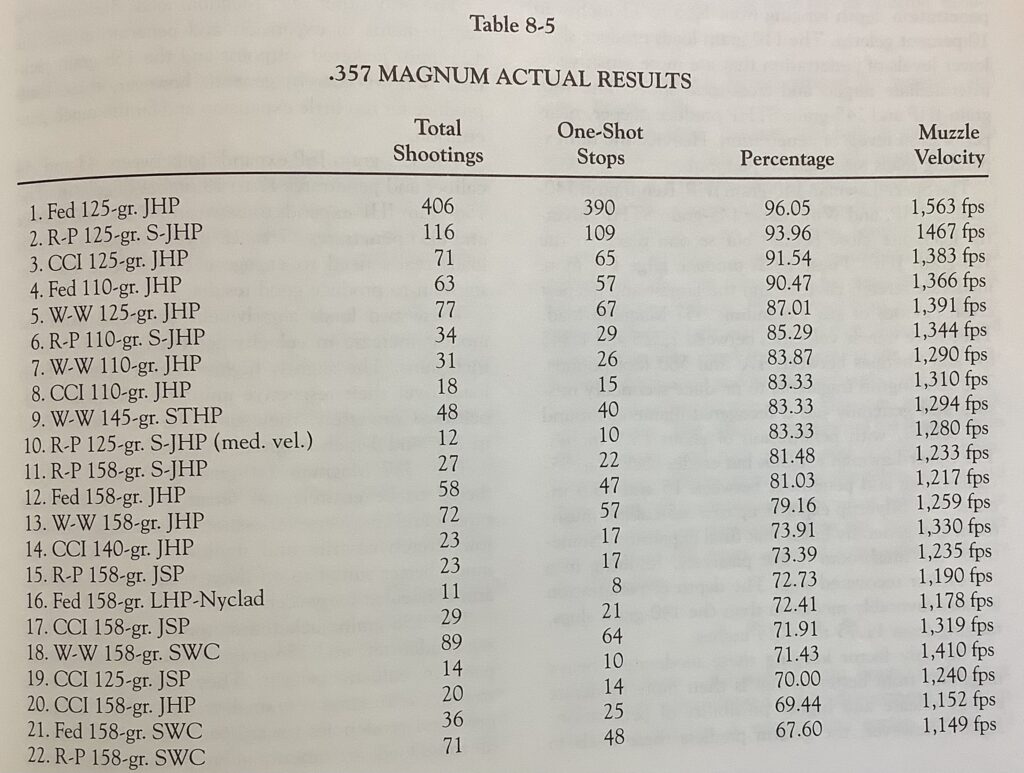
Here, the percentages are useful to illustrate certain trends. Note that the class of full-velocity, 125 grain JHPs (clustered at the top the chart) tends to outperform the 158 grain JHPs (in the middle of the chart) and the 158 grain JSP/SWC solids (at the bottom of the chart), given a reasonably comparable number of samples. Therefore, the data indicates the medium weight JHPs are doing something good that the heavier bullets and solid bullets are not (Evan’s discussion noted their larger crush cavities and medium penetration when tested in ballistic gelatin, compared to the alternatives, which expanded less and penetrated farther during testing).
This understanding can now be combined with other elements to evaluate potential ammunition. Reliability, control, accuracy, barrier performance, availability, cost, and other important considerations can be added to the mix, to make a good determination on what’s “best” for a given mission or user.
This is the most useful way to put the One-Shot Stop percentages to work, rather than arguing about a 1% difference between competing loads, but few people did this when the book was published. Instead, most fell into the trap of making direct comparisons (regrettably, including me, for a while), and misapplied the research. In many corners, they’re still doing it.
5.) I’ve still got an ammo locker full of magic bullets, and a safe full of “ultimate manstopper” guns that promised to be the solution to my problems, but I didn’t shoot them very well. I’d be happy to sell them to anyone who’s looking for an easy-button solution. “Older Mike” has found them to be poor substitutes for mindset, training, and tactics, and simple equipment that he can shoot well, under stress. He’d be happy to have the extra space in his garage, if you wanted to help clear that stuff out.
6.) Evan was a husband, father, grandfather, and active member of his church community as well. I’m sure he was much prouder of his accomplishments in those areas, than his accomplishments in the law enforcement, training, and writing arenas. We knew him for his professional life, but his story was bigger than that.

Evan reminds me of the generation of men I knew and revered as a kid some sixty-plus years ago. I miss them.
Indeed, Sir!
Thanks Evan for the words of wisdom, our chats and emails, and the care package that you sent me. Rest in Peace always Sir. Ten-Driver was a member of Stopping Power forum and I have learned a lot from him and that now gone website. Great job here Mike!
Thanks pal! It’s great to have my old Stopping Power Forum buddies here!
Words of wisdom. Thank you for sharing sir!
Yes they are. We could all benefit from keeping them in mind.
As usual, you’ve written an excellent tribute to Evan Marshall that I bet he would have given two thumbs up while aiming his two revolvers, one in each hand. This is an incredibly well done tribute to his contributions and to his memory!
A Model 58 and a J-frame of some sort, no doubt!
Thank you Steve, I appreciate it. It was important to remember our friend and his significant contributions. He was definitely one of the leaders of the early “Officer Survival” movement, and I hope Warren will finish that book someday.
As I recall, DPD issued/required a .38 Spl. as a duty gun and Evan carried his Model 58 “as a backup gun.”
Indeed, in a shoulder holster under his jacket. “Buster” (his sawed off SxS 12 Gauge, loaded with slugs) was nearby in the car, as additional “backup” 😁
In the 70s, Detroit PD issued Model 10s*, but officers were allowed to carry any revolver they could qualify with; as a result, Detroit became the big-bore-revolver capital of the Midwest (and maybe among big-city PDs in the United States), and the .44 Magnum was supposedly the most popular. I once knew a Federal agent who had worked in Detroit in the 70s and he told me that one time he was eating at the counter in a restaurant with two Detroit coppers sitting behind him. The tip of his holster peeked out from under his jacket and one of the coppers got up, stood to the agent’s right side, and asked him for ID. While he was badging the copper, he glanced back and saw that the copper’s partner was sitting at the table pointing a .44 (or maybe a .45) directly at him. Detroit was a seriously bad town with seriously no-nonsense police.
Many years back, I had a student in an Arizona CWP course who used a nickel-plated Model 10 with a 5″ pencil barrel, rollmarked “Detroit PD.’
Do you know whether DPD issued nickel-plated revolvers or whether that was a post-retirement addition?
I started reading Evan Marshall sometime in the 70s. I always felt he was a guy worth listening to. I never read any of his “Stopping Power” books, but I read tons of his magazine articles. He liked to write like a hardnosed Detroit copper, but he was a thinking person’s copper who had a plan for almost any situation. I was particularly impressed by his writings about intervening in crimes: If he was in a restaurant when it was being robbed, as long as the robbers were just grabbing the money from the register he’d “make like a CPA from Dayton” and be a good witness, but if they started rounding up or assaulting customers, loud noises were going to ensue.
I learned a lot from his writings, and I’m sorry to see that he passed. Thank you for your article on him and his work.
Thanks 1811, he will be missed. Friend Rich Grassi wrote a nice tribute to Evan that I hyperlinked to, in the article ( “some of his more notable quotes”). He was good enough to capture that one you referred to:
“As long as all they’re doing is robbing the till, I’m going to act like a CPA from Akron and be a good witness. But if they start searching people, making people get down on their knees, or herding people into a back room, my wife knows to get away from me because I’m going to start shooting.”
I remember an excellent essay that Evan wrote, titled, “The Dangers of Intervention.” I need to see if I can find that, somehow. It was an excellent piece on mindset.
I found it! Check your email!
I’m glad you found that quote, but you could have changed “Akron” to “Dayton” so I wouldn’t look so bad. (In my defense, I read the quote a long time ago and I’m not all that up on Ohio geography.)
Haha! Well, you get extra credit for remembering it, so you still came out ahead!
Thank you for finding and passing on that essay by Sgt. Marshall. His recounting of being sued by victims he saved agrees with things I’ve heard from officers and EMTs who have had the same experience. (When I mention “serving and protecting an ungrateful nation,” I mean it,)
I got involved in a discussion on the subject of intervention on another website, because of the Daniel Penny mess in NYC. During the discussion with an intervention-happy keyboard commando, I mentioned that at my LEOSA qual we had the same discussion because of the NYC incident, and the retired city, county, state, and Federal officers there all agreed that only a fool would involve himself in someone else’s fight if he could avoid it, and that maybe he should listen to people who had jumped into other people’s fights for a living. His response was to call me and them a bunch of cowards. I hope he changes his mind before he gets dragged into court and has to hand over his life savings to lawyers and criminals, and maybe ends up in prison. (Actually, I kinda don’t. If he learns the hard way, that’s his problem, not mine. Nobody ever said I was a nice person.)
Amen.
First and foremost, Evan Marshall was a crimefighter: he had been there, done that, and seen the dead bodies…lots of ’em.
His dedication to creating something of practical value for his fellow crimefighters is most certainly praiseworthy.
Yes Sir. We could use more like him, these days.
I too misused the info because of my wrong interpretation of the results Evan and Ed Sanow published. I was a member of his loyal forum days until he closed it in his later years. He would highly discourage getting involved with other people’s business and just concentrate on your own family’s safety.
At a point in his later life Evan told us the Detroit city fathers took his Police pension away after they (the City) field bankruptcy. I would imagine that was a hard pill to swallow for Evan, later in his life, and brought hardship upon his family and himself.
Evan was not shy in giving you his advice on any subject that was brought up on his Handgun Stopping Power forum. His main advice was for one to get out of any shooting situation, if at all possible. If it were not possible, put multiple rounds where they needed to go and stop the threat as quickly as possible. And above all don’t get yourself involved in other people’s problems because one most likely does not know who the bad guys is, and which one was the good guy. His advice was to just walk away from intervening.
I miss that forum. RIP Evan. Thanks Mike, for sharing this sad news with us. Great job, but then you had a wonderful/interesting subject to remines about.
I miss it too, Pop Pop. I’m glad we were part of it, while it lasted. We endeavor to maintain some of those themes in our own work, here–carry on the legacy, share what we’ve learned from them.
At the 1991 seminar of the late American Society of Law Enforcement Trainers, I did not get drawn for HK’s MP5 course but still chose to ride the bus to the range to observe it. Evan was apparently in the same boat and was photographing the course. He was using a 35mm camera, with a long zoom lens, which he’d “clamp” to one of the posts supporting the roof over the firing line, in a manner that I found reminiscent of a PPC technique. At the end of the course, I commented to him, “I like your barricade technique.” In response, I got a puzzled look, suggesting that he’d not even been aware of how he’d been stabilizing his camera.
I can just see that!
A line from one of those guys in response to the question, “How often do you think cops get killed around here anyway?”
The same as anywhere else. Only once.
Mike anytime the community of armed good guys loose someone it is great to see tributes to their lives and service.
Yours is a excellent sample.
Well done.
I may have to suggest to my wife that she needs to hire you for when that old hour glass of mine runs out.
It’s sad to see our elders and betters leave the field. Like many of us I was fascinated by the search for the magic bullet back in the day and still have Marshall/ Sanow in my library. I never formed a partisan opinion of him, and respected his efforts to expand the literature.
I first met Mr. Marshall shortly after he had helped Detroit PD start up their SRT, I was newish to SWAT and back in Detroit visiting family. My DPD cousin arranged for me to visit with Evan and pick his brain on bettering my SWAT team. I ended up spending the better part of the day with him.
The length DPD went to to research their SRT establishing the team was amazing. Trips to meet US military, LA, the UK Germany and I believe Israel had me very envious. He even shared some docs from the research. Many years later we became Facebook “friends” and I enjoyed reading what he was up to.
I didn’t know about his passing and was said to see I was actually in Michigan at the time just north of where he lived. I would have been honored to tell the family how much I admired him. RIP.
Evan Marshall was a trailblazer in the world of street shootings reality. He was a cop who dealt in reality, with the lowest life forms under the worse conditions rather than some self proclaimed ‘experts’ who have never really seen life at its lowest.
His experience gave him credibility. I came up in the 1950s and 1960s weaned on cowboy westerns where one shot from the .45 Colt (or .44-40) took the opponent down. Countless TV shows and movies portrayed handgun rounds a knocking bad guys off their feet, and through saloon windows in Gunsmoke and every one of Clint Eastwood’s westerns. To an impressionable teenager, it seemed totally plausible. My early years on the street showed that reality is a vicious overlord.
Evan was gathering his data in an era of the ongoing transition from revolvers to autoloaders as police duty guns, and from the .38 Special and .357 Magnum to the .45ACP and 9m/m.
While Jim Cirillo showed the lowly .38 Special wadcutter could plant bad guys, others were looking at the latest high tech rounds. (and yes, I carried wadcutters in my no-dash S&W M36 backup gun – still do) The ’86 Miami shootout put the 9m/m under scrutiny, and was blamed for its inability to deliver that ‘one shot stop’. The search began, again, for that ideal one shot stopping round. But while ballistic gel may have showed spectacular results, reality on the street was another story.
Evan was one of the few at the time that attempted to quantify the truth behind the search for the ‘ideal’ defensive round. If you looked carefully at his screening procedures, it actually revealed that while some performed better than others, the performance was marginal, and there is no such thing as the ideal handgun round that would deliver the one shot stop. Greg Ellifritz would later confirm that, and more, in his Alternative Look at Stopping Power. Bullet stopping power remains totally dependent on shot placement.
Was Evan’s work definitive ? Probably not. Was it provacative ? Absolutely. Was he a trailblazer in his field? You bet! Others like Greg Ellifritz have been spurred on to show the reality of what does and does not work, and to what degree of effectiveness handguns rounds actually have. We owe Evan Marshall a debt of gratitude for his work, and his street wisdom. In dealing with bad guys, one has to be spot on 100% of the time. The bad guy only has to get lucky once.
To Mr. Wenger:
This is a reply to your comment about the nickel-plated, 5-inch Model 10. (If you notice, I put an asterisk after “Model 10s” in my original comment, but never followed up on it. I go so engrossed in my story I forgot about it.)
I was told that Detroit issued 5-inch nickel-plated Model 10s, but I was never able to verify it. I never heard the reasoning behind the 5-inch barrel, but I was told that the official reason for issuing nickel guns was so that they’d be easier to find if they were dropped during a fight. I was also told that the real reason was that nickel-plated guns look bigger, and therefore are more intimidating. (And as any street cop will tell you, a person you intimidate is a person you don’t have to fight.)
I guess your student’s gun verified both stories. Thank you.
I’ve read that Detroit PD went with the 5″ bl as a compromise. Longer sight radius than the 4″ configuration, but easier to carry while sitting in a patrol car compared to the 6″ version. The reason for the nickel finish (according to my sources) is that Detroit has a humid climate and nickel held up better than then blued finish (pre stainless steel and polymer finishes).
In 2017 a movie titled “Detroit” was released. It’s “based on factual events” that took place at the Algiers Motel in Detroit during the 1967 riots. Whatever one thinks about the movie I’ve read that the production got the details right when it came to showing what the DPD and Michigan Army National Guard was using. The movie depicts the DPD carrying nickel plated S&W M&P/Model 10 and Remington 870 riot guns. The Guardsmen are shown with M1 Garands and M1 carbines. When I saw the movie I homed in on the nickel plated revolvers. A few minutes of research confirmed that was correct.
Thank you for confirming the 5-inch, nickel controversy. I kinda get the reasoning behind the 5-inch barrel (did Detroit PD have to special-order hundreds of 5-inch holsters, too? I think someone got a good piece of grift off of that), but the reasoning for the nickel plating, both what I was told and what you said, sounds sort of spurious to me. (No reflection on you.) Detroit is no more humid than Chicago or Milwaukee, or really anywhere else in that part of the Midwest. Knowing as I do how bureaucracies really work, I’d be willing to bet that someone high up on the food chain wanted nickel guns because they look cool, and wrote up his justifications using the MUSS system. (Make Up Some Sh–er, Stuff.) But the important thing is, we answered Mr. Wenger’s question about the Detroit PD marked nickel Model 10.
I never saw, or even heard of, the movie you mentioned, nor have I read the book it’s apparently based on, “The Algiers Motel Incident.” Is it any good? If it is, where can I find it? I have lots of connections to Detroit, so I’m interested in anything I can read or see about it. (That’s probably why I’m such a big Elmore Leonard fan.)
Detroit has always been an, um, interesting town to live in. I had family in Detroit, and one morning my uncle went to his alley garage to go to work and found a body outside his garage door. They moved to Livonia shortly afterward.
And that gun had seen some serious use. Shortly afer the course, we had a retired Phoenix PD armorer bring it back up to spec, including timing.
I’m sorry to see Evan Marshal go. Young me was one of those annoying one-stop, magic bullet guys, for quite some time. Practical experience showed me that I was WRONG. Reading through his quotes in your excellent article, Mike, I’m glad I finally caught up with what he REALLY said, not just what I thought he said. One other thing I realized reading through the quotes on police work, deadly force, etc. If I had written my thoughts down, it would look like I plagerized Evan Marshal. That said, he was a smart man and I’m glad I don’t put stuff in writing unless I have to.
Thanks Mike for the great write up on Evan. I had read his books before and during my police career. Later on, Evan had contacted me as the thought my police critical incident identification system was great, and wanted to test a few units, I sent him the several units gratis over the years, as I had heard about the disappearance of his police pension. Evan would send a few of my units to officers still active in the field, one I later learned went to my good friend Arvin in Arkansas…… We did disagree on the use of wadcutters where he didn’t consider that all wadcutters aren’t created equal and was just going by the old 70’s target style commercial ammo available at the time, vs currently available hardcast slightly higher velocity versions. I’ll miss Evan he was a giant in the field of street survival. RIP Evan…. Thanks again Mike.
Absolutely, buddy. He will be missed!
I hope I’ll see you in about 10 days at Roundup?
What a fine, fine memorial. You have done the man the reverent honor that was his due. Bravo Zulu Mike.
Thank you Bill! Looking forward to seeing you soon! Check Six!
Thank you for the good tribute to a worthy man, Mike. I always enjoyed reading Mr. Marshall’s writings and I respected his opinions. He walked into any conversation on LE issues or gunfighting with credibility based on his time with DPD. Last of the old school, he worked Detroit when things were really sporty. We are lesser for his passing. Here’s to him and those like him, darn few left.
Indeed, buddy. God bless them all.
I read his books many times, enjoyed the tables but that was always the least of it for me. The anecdotes are great for each caliber, and his introductions are absolute gold. I constantly think of his statement that “beyond a certain point it really doesn’t matter what you stuff in your weapon” and also remember to “keep shooting until you are out of ammunition or the [suspect?] is no longer in your sight picture.”
Hard-earned words of wisdom, there, buddy!
Yes, I’m glad you put a list of quotes up, thank you. I wish I’d met him.
Fine tribute to a dedicated homicide detective. As a rookie police officer trying to learn more about tactics, firearms, and ballistics I recall reading several magazine articles written by Evan Marshall. Thank you for sharing some of Retired Detective Marshall’s notable quotes. His words still carry a great deal of wisdom. May he Rest In Peace.
I attribute my longevity to Evan’s hard earned wisdom. Wear a vest 10 of 150 MPs in my unity wore vest then…, carry a back up gun (not within Army regs… but…. approach car stops from the passenger side, etc… over the last few years Evan became a dear friend. He visited me several times a couple epic lunches where the tables cleared around us or you could tell folks were listening in. When Evan told me about selling his M58, I sent him mine… It broke my heart with his son called me to tell me of his dad’s passing.
Rob, Evan was SO HAPPY to be carrying a Model 58 again! Your generosity made a big difference for him!
In his later years Evan Marshal opened a truly state of the art indoor range in Midland, MI. Locker room, viewing room, gun shop, lunch counter, etc.
Some friends and I stopped in, having no idea who was going to give a tour, and lo and behold it was Mr. Marshal.
Sadly, it was too much for the modest size community to bear. It folded quickly and that was that. Mr. Marshal was extremely friendly and I was sad the venture didn’t work out for him.
I’d forgotten about that, Brent!
I truly appreciated his work and used to defend his work regularly when people, seemingly , just wanted to trash him. I had the opportunity to speak to him just once as well and I shared the same affinity for the 125gr SJHP 357mag round as well as the 40S&W! May he rest in peace☦️
I was and still am an admirer of Mr. Marshall’s work. As one who had questions about self-defense back when he was doing most of his work, I read those of his books I could convince our liberal local libraries (California) to order in for me, I began to realize what a great effect he had (has)on ammunition and bullet manufacturers. (Not that they are likely to admit it.) And, he helped me to find a best compromise (probably not as good as I thought) ammunition for my only Revolver. Crusty, opinionated…if he hadn’t been, he would likely not have survived his career in Law enforcement. He seemed somewhat lonely, reference: his mention of having to drive himself to the E R during a heart attack when he was not at home. He did a good work, not recognized well by many contemporaries then or now, nitpicked to death for all the good information he shared, but I daresay he kept many of us safe, or confident in our weapons and ammo, if the balloon had ever gone up. Thankfully for me, never.